
In recent years, South America has experienced a profound transformation in its energy structure. The abundance of hydroelectric resources, the rapid growth of solar and wind energy projects, and increasing demand for electricity driven by industrialization have generated a growing need for efficient power transmission systems., safe and high capacity in South America.
In this context, ultra-high voltage cables and high voltage cables are becoming an important part of energy infrastructure construction in South America.
Traditional energy projects typically rely on large power plants and regional power grids, while new energy projects are often located in remote areas, like for example:
- Areas with solar energy resources in northern Chile
- Wind energy bases in northeast Brazil
- New areas of energy development in Argentina
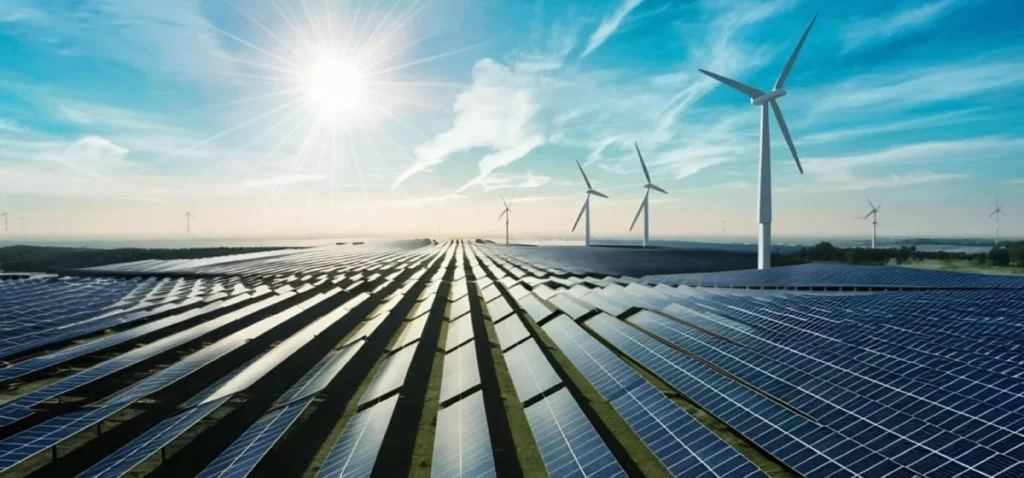
These regions are far from major cities and industrial centers, so higher voltage transmission technologies are needed to reduce losses and increase power transmission capacity.
The International Energy Agency (AIE) points out that, with the increase in global demand for electricity and the growing need for grid connection for renewable energy, The construction of electrical transmission networks has become a fundamental pillar for the energy transition. Investment in clean energy in Latin America has grown steadily over the last decade, and is expected to reach approximately 70.000 million US dollars for 2025.
Why does South America need to develop ultra-high voltage cables??
South America has new world-leading energy resources:
| nation | Important new energy sources | Direction of demand for cables |
| Chile | solar energy, wind energy | High voltage underground and power transmission cables |
| Brazil | hydroelectric power, wind energy, solar energy | Ultra high voltage transmission lines |
| Argentina | wind energy, solar energy | Long distance power transmission |
| Colombia | hydroelectric power, solar energy | Electrical grid upgrade |
| Peru | Demand for hydroelectric and mining energy | High reliability cable |
For example: the Atacama desert, in the north of Chile, It has some of the highest levels of solar energy resources in the world, which has led to a large concentration of photovoltaic projects in the area. Nevertheless, The main centers of energy consumption are located in the central region, which requires the construction of long-distance electrical transmission networks.
Northeast Brazil has abundant wind energy resources, but its main industrial cities are concentrated in the southeast, which also requires high capacity electrical transmission systems.
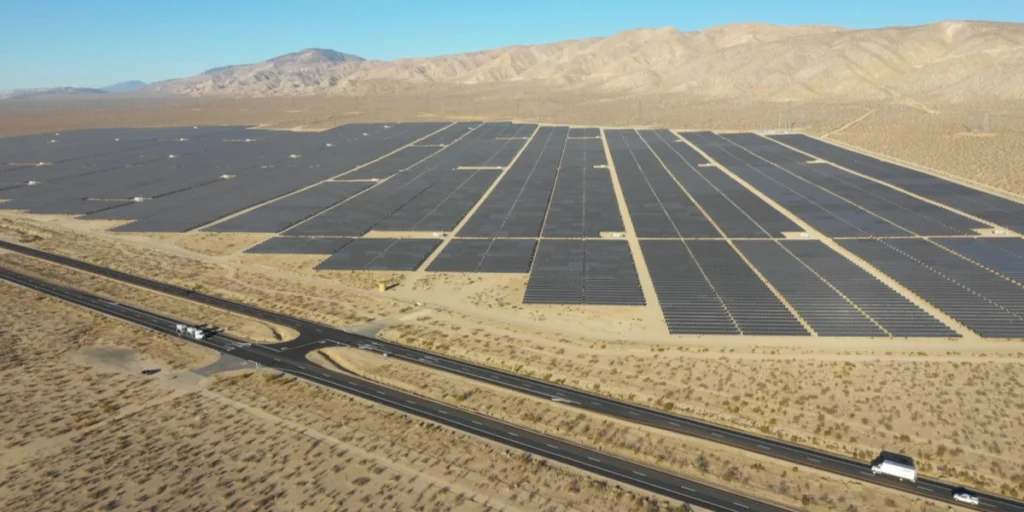
Therefore, Where new energy sources are generated determines where ultra-high voltage cables are needed..
Current Situation of the South American Ultra High Voltage Transmission Market.
Currently, The main energy systems in South America use:
- 230 kV
- 345 kV
- 500 kV
- ±500 kV HVDC (High Voltage Direct Current Transmission)
The transmission system 500 kV has become an important component of the backbone electrical networks of many countries.
| nation | Main voltage levels | Application areas |
| Brazil | 230kV、500kV、±600kV HVDC | Interregional transmission of hydroelectric energy and renewable energies |
| Chile | 220kV、500kV | Photovoltaic and wind energy transmission |
| Argentina | 132kV、220kV、500kV | Expansion of the state electrical grid |
| Colombia | 230kV、500kV planning | electrical grid interconnection |
| Peru | 220kV、500kV | Electrical supply for mining and industry. |
The above data is official IEA and is provided for reference only.; may contain errors.
Brazil is one of the largest electricity markets in South America, with a large transmission system. In 2024, Brazil promoted the construction of approximately 10.500 kilometers of transmission lines through transmission project tenders, demonstrating the region's continued commitment to strengthening its investment in the electrical grid.
New Energy Projects Are the Main Driver of the Growth of Ultra High Voltage Cables
The Photovoltaic Industry Is Driving Demand For High Voltage Cables.
In recent years, the development of solar energy in South America has accelerated significantly.
Chile
The construction of numerous solar power plants in northern Chile has increased the demand for high-voltage alternating current cables., underground transmission cables and collector cables.
Brazil
Brazil has a large-scale solar energy market, while distributed energy develops rapidly. New energy projects require greater long-distance transmission capacities, low losses, high heat resistance and long cable life.
Wind Energy Projects Promote The Application Of High Voltage Cables
Wind energy in South America is mainly concentrated in northeast Brazil and the Argentine Patagonia region. These areas are usually far from densely populated areas., Therefore, high-voltage underground cables and high-capacity transmission lines are needed to connect the new energy plants with urban consumption centers..
Mining Development Is Also An Important Market For Ultra High Voltage Cables
South America has abundant mineral resources, like copper, lithium and iron ore.
Chile and Peru are among the main copper producers in the world. Its mining projects have the following characteristics:
- High electricity consumption;
- Remote geographic location;
- High requirements for stability in the electrical supply.
For example, Large mines usually require medium voltage cables to operate the equipment., High-voltage cables for substation connections and ultra-high-voltage power transmission to ensure long-term power supply, further increasing demand for cables in the mining industry's trend towards new energy sources.
Trends in Ultra High Voltage Cable Technology
Xlpe Insulated Cables Become Popular
Currently, High voltage cables mainly use XLPE insulation technology (cross-linked polyethylene), which has the following advantages: high temperature resistance, support for large capacity power transmission, long service life, lower risk of failure, lower maintenance costs and suitability for complex environments.
Increased Demand for High Voltage Underground Cables
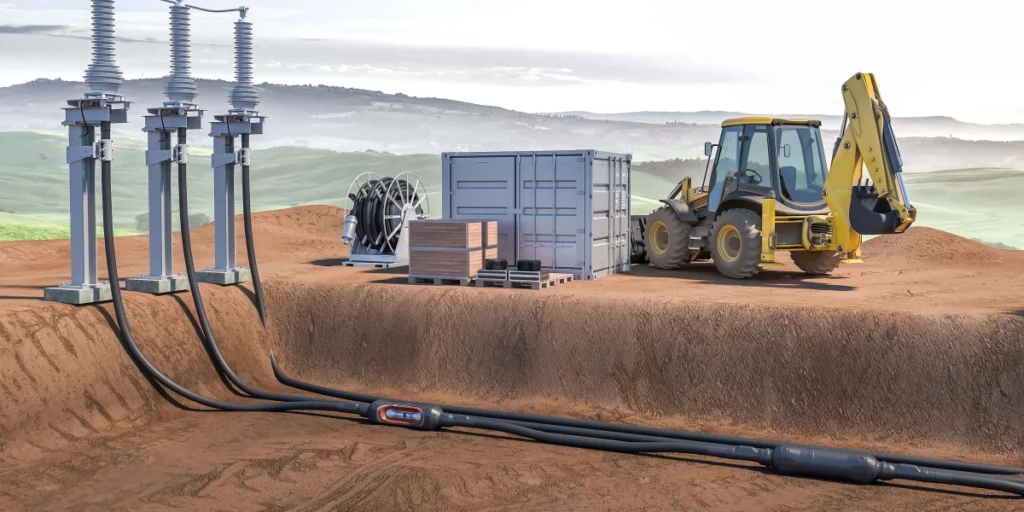
Compared to airlines, Underground cables offer the advantages of requiring less land, have a lower environmental impact and be safer.
They are especially suitable for urban electrical networks, industrial zones and regions with high environmental protection requirements.
Development of High Voltage Direct Current Transmission (HVDC)
For transmission distances greater than hundreds of kilometers, HVDC technology presents significant advantages:
- Low transmission losses
- Suitable for long distance transmission
- Compatible with connecting new energy sources to the grid
The future development of large energy plants in South America could further boost demand for cables HVDC.
ZMS Cables Are Entering The South American Market.
For the South American market of ultra high voltage cables (UHV), ZMS Cable offers high voltage cables (HV), cables XLPE, solar cables and underground cables, all available through Chinese companies. We have a consolidated supply chain, a large production capacity and more competitive prices.
With the development of new energy sources, the modernization of the electrical grid and the increase in industrial demand, South America is entering a new phase of electrical infrastructure construction.
UHV cables are not only transmission equipment, but also crucial energy infrastructure that connects new energy bases, industrial centers and urban electrical networks.
In the coming years, as countries like Chile, Brazil and Argentina continue to advance in their energy transition, High reliability UHV cables, Large capacity and low losses will play an increasingly important role in the South American market.